

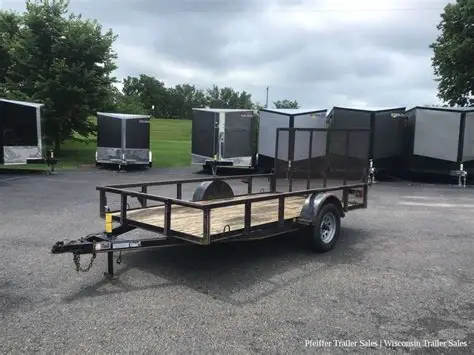
Searching for used trailers for sale can be a great way to save money while getting the hauling capacity you need. Used trailers can cost less than comparable new models and may be available in a wide variety of sizes, types, and configurations.
However, buying a used trailer requires more careful inspection than buying new. A trailer may look excellent in photographs while having hidden problems involving the frame, axles, tires, brakes, wiring, flooring, suspension, or hydraulic system.
Whether you are looking for a used utility trailer, enclosed cargo trailer, dump trailer, equipment trailer, car hauler, or gooseneck trailer, knowing what to inspect can help you avoid expensive surprises.
This guide covers 11 smart tips for buying used trailers for sale in 2026, including how to inspect a trailer, check its weight ratings, evaluate its price, verify ownership documents, and determine whether the trailer is worth buying.
Table of Contents
Why Buy a Used Trailer?
One of the biggest reasons people search for used trailers for sale is affordability.
A used trailer may allow you to get the size and capacity you need without paying the full price of a new model.
Other potential benefits include:
- Lower purchase price
- Lower initial depreciation
- Wide selection of older models
- Immediate availability
- Access to discontinued configurations
- Opportunity to find upgraded equipment at a lower price
For example, someone who needs a trailer for occasional landscaping work may not need a brand-new commercial trailer.
A carefully inspected used utility trailer could provide everything they need at a lower cost.
The key word is carefully.
The condition of a used trailer matters more than its age alone.
Types of Used Trailers for Sale
There are many different types of used trailers available.
Used Utility Trailers
Utility trailers are popular for general hauling.
They can be used for:
- Lawn equipment
- Landscaping materials
- Furniture
- ATVs
- Motorcycles
- Building supplies
- Yard waste
A used utility trailer can be a good option for homeowners and small businesses.
Used Enclosed Trailers
Enclosed trailers provide protection from weather and additional security.
They are commonly used for:
- Tools
- Equipment
- Motorcycles
- Business inventory
- Event equipment
- Furniture
When inspecting a used enclosed trailer, pay particular attention to the roof, floor, walls, doors, seals, and electrical system.
Used Dump Trailers
Dump trailers are designed for bulk materials.
They can transport:
- Dirt
- Gravel
- Sand
- Mulch
- Construction debris
- Firewood
- Landscaping waste
The hydraulic system deserves special attention when purchasing a used dump trailer.
Used Equipment Trailers
Equipment trailers are designed to carry machinery and heavy equipment.
Inspect the:
- Frame
- Deck
- Ramps
- Axles
- Brakes
- Tires
- Tie-down points
Make sure the trailer’s GVWR and payload capacity are appropriate for the equipment you intend to transport.
Used Gooseneck Trailers
Gooseneck trailers are often used for heavier hauling applications.
They require a compatible tow vehicle with the appropriate bed-mounted hitch.
Check the gooseneck coupler, frame, hitch components, axles, brakes, and suspension carefully.
11 Things to Check Before Buying Used Trailers for Sale
1. Inspect the Trailer Frame
The frame is one of the most important parts of a trailer.
Look carefully for:
- Cracks
- Bent sections
- Broken welds
- Severe rust
- Corrosion
- Improper repairs
- Signs of overloading
Surface rust may not necessarily mean a trailer is unsafe, but significant structural corrosion deserves serious attention. Looking for used trailers for sale? Learn 11 smart tips for inspecting condition, price, GVWR, tires, brakes, frame, title, and more before buying.
A bent or cracked frame can be expensive and potentially unsafe to repair.
If you are unsure about the frame’s condition, consider having the trailer inspected by a qualified professional.
2. Check the Axles and Suspension
The axles carry much of the trailer’s load.
Inspect:
- Axle condition
- Springs
- Hangers
- Equalizers
- Shackles
- U-bolts
- Suspension components
Look for bent axles or damaged suspension components.
Uneven tire wear can also indicate alignment, suspension, or axle problems.
Don’t ignore unusual wear patterns.
3. Inspect the Tires
Tires are often overlooked when buyers evaluate used trailers for sale.
A trailer may have excellent paint and a clean interior but still need four new tires.
Check:
- Tread depth
- Cracks
- Bulges
- Uneven wear
- Tire age
- Load rating
- Inflation pressure
Trailer tires can deteriorate with age even when they have plenty of tread.
Check the manufacturer’s date information on the tire and consider replacing old or damaged tires before towing.
4. Test the Brakes
If the trailer is equipped with brakes, test them before purchasing.
Inspect:
- Brake assemblies
- Brake wiring
- Brake controller connection
- Brake drums or other components
- Breakaway system
For electric brakes, verify that the system responds correctly when connected to a compatible tow vehicle.
A professional inspection may be worthwhile for heavier trailers.
5. Examine the Floor and Deck
The condition of the floor can reveal how well a used trailer was maintained.
Open Trailers
Inspect wood or metal decking for:
- Rot
- Cracks
- Loose boards
- Missing hardware
- Corrosion
- Structural damage
Enclosed Trailers
Inspect the interior floor for:
- Soft spots
- Water damage
- Cracks
- Rot
- Delamination
- Stains
A damaged floor can be expensive to replace, particularly in larger enclosed trailers.
6. Check the Coupler and Hitch Components
The coupler connects the trailer to the tow vehicle.
Check:
- Coupler condition
- Locking mechanism
- Safety chains
- Breakaway cable
- Hitch ball compatibility
- Jack
- Mounting hardware
Make sure the coupler operates correctly and locks securely.
Never assume that a coupler is safe simply because the trailer appears clean.
7. Inspect the Lights and Electrical System
Connect the trailer to a compatible tow vehicle and test:
- Brake lights
- Turn signals
- Running lights
- Clearance lights
- Interior lights
- Electric brakes
- Breakaway system
Look for damaged wiring, exposed wires, corroded connectors, and makeshift electrical repairs.
Electrical problems can sometimes be inexpensive to fix, but hidden wiring damage can become more complicated.
8. Verify GVWR and Payload Capacity
Before buying used trailers for sale, find the manufacturer’s identification plate or documentation showing the trailer’s weight ratings.
Look for:
- GVWR
- GAWR
- VIN
- Manufacturer
- Model information
GVWR represents the maximum allowable loaded weight of the trailer.
Payload can be estimated by subtracting the empty trailer weight from its GVWR:
Payload Capacity = GVWR − Empty Trailer Weight
Never assume a trailer can carry a certain amount simply because its physical dimensions appear large.
The manufacturer’s specifications should always be the reference point. used trailers for sale
9. Check the VIN and Ownership Documents
Before purchasing a used trailer, verify the identification number and ownership documents.
Make sure:
- VIN matches the documentation
- Seller has the legal right to sell the trailer
- Title or registration information is consistent
- There are no obvious discrepancies
- Applicable registration requirements can be satisfied
Requirements for trailer titles, registration, inspections, and taxes vary by state.
Check your state’s requirements before completing the transaction.
If the seller cannot provide appropriate documentation, consider that a warning sign.
10. Look for Signs of Overloading or Abuse
Used trailers can show evidence of how they were treated.
Look for:
- Bent frames
- Cracked welds
- Damaged floors
- Uneven tire wear
- Broken suspension components
- Deformed ramps
- Damaged couplers
- Excessive corrosion
- Hydraulic leaks
A trailer that has repeatedly been overloaded may have structural or running-gear damage that is not immediately obvious. used trailers for sale
Don’t judge a used trailer only by mileage or age.
Its maintenance history and previous workload matter.
11. Check the Overall Maintenance History
If the seller has maintenance records, review them.
Useful information can include:
- Tire replacement
- Brake service
- Bearing service
- Hydraulic service
- Electrical repairs
- Suspension work
- Deck replacement
- Major structural repairs
A well-maintained older trailer can be a better purchase than a newer trailer that has been neglected.
Used Trailer Inspection Checklist
Before purchasing used trailers for sale, use a systematic inspection.
Frame
- Check for cracks
- Look for severe rust
- Inspect welds
- Look for bends
- Check for signs of repairs
Running Gear
- Inspect axles
- Check suspension
- Inspect springs
- Check wheel bearings
- Inspect wheels
Tires
- Check tread
- Look for cracks
- Check tire age
- Verify load rating
- Check for uneven wear
Brakes
- Test brakes
- Inspect brake wiring
- Check breakaway system
- Inspect brake components
Structure
- Inspect deck
- Check flooring
- Inspect walls
- Check roof
- Inspect ramps
- Check gates
Hitch
- Inspect coupler
- Test locking mechanism
- Check safety chains
- Inspect jack
Electrical
- Test brake lights
- Test turn signals
- Test running lights
- Inspect wiring
- Check connectors
Documentation
- Verify VIN
- Check title
- Verify seller information
- Confirm registration requirements
- Review maintenance records
How Much Do Used Trailers for Sale Cost?
The price of used trailers for sale depends on many factors.
These include:
- Trailer type
- Age
- Condition
- Size
- GVWR
- Brand
- Construction
- Axle configuration
- Tires
- Brakes
- Features
- Maintenance history
- Local demand
A small used utility trailer may cost substantially less than a large used enclosed, dump, equipment, or gooseneck trailer. used trailers for sale
Condition is particularly important.
Two trailers of the same age can have very different values if one has been carefully maintained while the other has been heavily used and neglected. used trailers for sale
When comparing prices, consider the cost of necessary repairs.
For example:
Purchase Price + Immediate Repairs = Actual Initial Cost
A $5,000 trailer that needs $2,000 of repairs may effectively cost more than a well-maintained $6,000 trailer.
Current 2026 trailer market guides also emphasize comparing condition, specifications, and included equipment rather than relying solely on the advertised price. (trailershopper.com) used trailers for sale
Private Seller vs. Trailer Dealer
When searching for used trailers for sale, you may encounter private sellers and dealers.
Buying From a Private Seller
Potential advantages include:
- Direct negotiation
- Potentially lower prices
- Wide selection
- Less dealership overhead
However, buyers may have less protection and fewer financing options depending on the transaction.
Documentation should be carefully verified. used trailers for sale
Buying From a Trailer Dealer
A dealer may provide:
- Professional assistance
- Multiple trailers to compare
- Financing options
- Trade-in opportunities
- Service support
- Warranty options on some trailers
A dealer may also be able to help you select a trailer based on your tow vehicle and intended use.
Regardless of where you buy, inspect the trailer and verify its specifications.
Used Trailer Financing
Some buyers assume that financing is only available for new trailers.
That is not always the case.
Depending on the lender, trailer type, age, purchase price, credit profile, and other factors, financing may be available for certain used trailers. used trailers for sale
Before financing, compare:
- Interest rate
- Loan term
- Monthly payment
- Total interest
- Down payment
- Fees
- Required insurance
A lower monthly payment does not necessarily mean a lower overall cost.
Calculate the total amount you will pay over the life of the loan.
New vs. Used Trailers
Should you buy new or search for used trailers for sale?
The answer depends on your budget, workload, and tolerance for maintenance.
Advantages of New Trailers
New trailers generally provide:
- New components
- Less wear
- Current specifications
- Warranty options
- More configuration choices
- Lower immediate repair risk
Advantages of Used Trailers
Used trailers may provide:
- Lower purchase price
- Potentially lower depreciation
- Access to older models
- Immediate availability
- Opportunity to find upgraded features at a lower price
A carefully inspected used trailer can provide excellent value.
However, buyers need to accept that maintenance and repairs may be required sooner than with a new trailer.
Common Problems With Used Trailers
Knowing common problems can help you inspect a trailer more effectively.
Frame Rust
Severe corrosion can compromise structural integrity.
Worn Tires
Old or damaged tires may need immediate replacement.
Brake Problems
Brake components can wear over time and should be inspected carefully.
Damaged Flooring
Water exposure and heavy loads can damage trailer floors.
Bearing Problems
Wheel bearings require appropriate maintenance and can become damaged if neglected.
Electrical Issues
Old wiring, corroded connectors, and damaged lights are common issues on poorly maintained trailers.
Hydraulic Problems
Used dump trailers may develop leaks or problems involving pumps, cylinders, hoses, and fittings.
Door and Ramp Damage
Enclosed trailers may develop damaged hinges, latches, seals, or ramps after years of heavy use.
How to Negotiate the Price of a Used Trailer
If you find used trailers for sale that interest you, research comparable listings before negotiating.
Look at:
- Trailer type
- Age
- Size
- GVWR
- Brand
- Condition
- Features
- Recent repairs
- Tire condition
- Brake condition
Don’t negotiate simply because you want a lower price.
Instead, identify legitimate costs that affect the trailer’s value. used trailers for sale
For example:
- Old tires
- Damaged deck
- Worn brakes
- Rust
- Missing spare
- Electrical problems
- Hydraulic leaks
If the trailer requires immediate repairs, use realistic repair costs when evaluating the purchase.
A fair negotiation should benefit both sides.
Best Places to Use a Used Trailer
Used trailers can be useful for many applications.
Landscaping
A used utility trailer can transport mowers, trimmers, blowers, mulch, plants, and yard waste.
Construction
Contractors can use used equipment, utility, or enclosed trailers to transport tools and materials.
Home Improvement
Homeowners can use trailers to move furniture, appliances, building supplies, and renovation debris.
Farming
Farmers can use trailers to transport supplies, equipment, firewood, feed, and other materials.
Recreational Activities
Used trailers can transport:
- ATVs
- Motorcycles
- Camping equipment
- Sporting gear
- Other recreational equipment
The right trailer depends on the cargo and the required capacity.
Frequently Asked Questions About Used Trailers for Sale
Are used trailers worth buying?
Yes. A properly inspected used trailer can provide excellent value and may cost significantly less than a comparable new model. The trailer’s condition is more important than age alone. used trailers for sale
What should I check when buying a used trailer?
Inspect the frame, axles, suspension, tires, brakes, wheels, deck or floor, coupler, safety chains, electrical system, doors, ramps, hydraulic system if applicable, VIN, and ownership documents. used trailers for sale
How much should I pay for a used trailer?
There is no single price because value depends on trailer type, size, age, condition, brand, GVWR, features, and local market conditions. Compare similar trailers and account for any repairs that will be required. used trailers for sale
Is it better to buy a used trailer from a dealer?
A dealer may provide additional services, financing, trade-in options, or support, while private sellers may offer lower prices. Evaluate the specific trailer and transaction rather than assuming one option is always better.
How do I know if a used trailer has been overloaded?
Look for bent frames, cracked welds, damaged flooring, unusual tire wear, damaged suspension, deformed ramps, and other signs of excessive loading or abuse.
How old is too old for a used trailer?
There is no universal age limit. A properly maintained older trailer can be in better condition than a newer trailer that has been neglected. Focus on structural condition, running gear, maintenance history, and suitability for your needs.
Should I buy a used enclosed trailer?
A used enclosed trailer can be a good option if you need protected storage and transportation. Inspect the roof, walls, floor, doors, seals, wiring, tires, brakes, and frame carefully.
Are used dump trailers a good investment?
They can be, particularly for landscaping, construction, junk removal, and property maintenance. Pay special attention to the hydraulic system, dump bed, frame, axles, tires, brakes, and overall capacity.
Can I finance a used trailer?
Financing availability depends on the lender, trailer, buyer, and transaction. Compare the complete loan cost rather than focusing only on the monthly payment.
Should I inspect a used trailer before buying?
Yes. A thorough inspection can identify structural, mechanical, electrical, and documentation problems before you commit to the purchase.
Final Thoughts on Used Trailers for Sale
Searching for used trailers for sale can be an excellent way to find the hauling capacity you need while potentially saving money compared with buying new.
But the purchase should never be based on price alone.
Start by determining the trailer type, size, GVWR, payload capacity, and features you need. Then carefully inspect the frame, axles, suspension, tires, brakes, floor, coupler, electrical system, doors, ramps, and other components.
For used dump trailers, pay special attention to the hydraulic system. For enclosed trailers, inspect the roof, floor, walls, doors, and seals. For utility and equipment trailers, examine the deck, ramps, frame, axles, and tie-down points.
You should also verify the VIN and ownership documents and confirm that the trailer can be legally registered and used in your area.
A well-maintained used trailer can provide years of useful service. The key is knowing what to inspect and understanding the trailer’s true condition before buying.
If you’re ready to compare used trailers for sale, take your time, compare similar models, inspect the trailer thoroughly, and choose one that matches your cargo, tow vehicle, budget, and long-term needs.
Related Trailer Resources
- Browse Trailers for Sale
- Explore Aluminum Trailers
- Read Trailer Safety Resources
- Review FMCSA Cargo Securement Guidance