

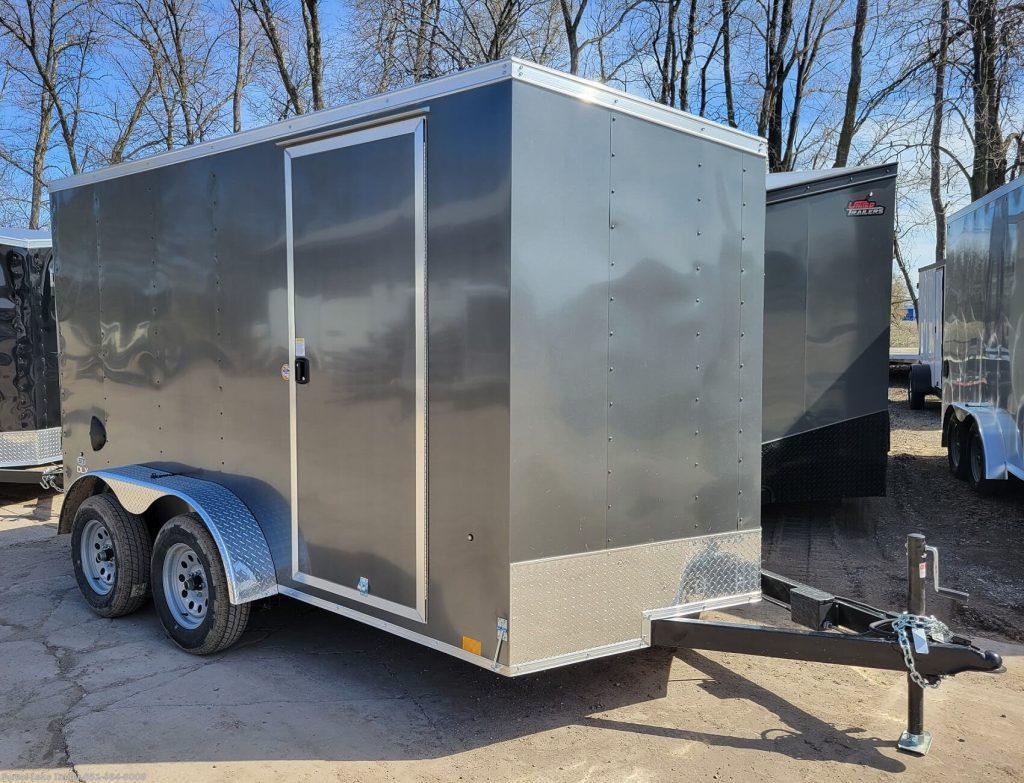
If you are searching for trailers for sale, choosing the right trailer can make hauling equipment, materials, vehicles, landscaping supplies, or recreational gear much easier. However, buying a trailer is not simply about finding the lowest price. The right choice depends on what you plan to haul, how much weight you need to carry, what type of vehicle will tow it, and which features will make loading and unloading easier.
With so many options available, including utility trailers, enclosed cargo trailers, dump trailers, equipment trailers, aluminum trailers, gooseneck trailers, and car haulers, it can be difficult to know where to start.
This guide explains 7 important things to consider when shopping for trailers for sale in 2026, helping you compare your options and choose a trailer that fits your work, lifestyle, and budget.
Table of Contents
- What to Consider Before Buying a Trailer
- 7 Things to Look for in Trailers for Sale
- Popular Types of Trailers
- New vs. Used Trailers
- How Much Does a Trailer Cost?
- Trailer Size and Weight Capacity
- Trailer Safety and Maintenance
- Where to Find Quality Trailers for Sale
- Frequently Asked Questions
- Final Thoughts
What to Consider Before Buying a Trailer
Before looking through listings for trailers for sale, start by determining exactly what you need the trailer to do.
Think about the type of cargo you normally transport. A landscaping company may need an open utility trailer with mesh sides and a ramp gate, while a contractor may benefit from an enclosed cargo trailer that protects tools and equipment from weather and theft.
If you regularly haul loose materials such as dirt, gravel, debris, or landscaping waste, a dump trailer may be more appropriate. If you transport heavy machinery, construction equipment, or other large loads, an equipment trailer may be a better option.
Your tow vehicle is equally important. The trailer must be compatible with your truck or other towing vehicle, including its towing capacity, hitch, electrical connection, and braking requirements.
Before buying, check your vehicle manufacturer’s towing specifications and the trailer manufacturer’s specifications. A trailer should never be selected based solely on its advertised size or price.
7 Things to Look for in Trailers for Sale
1. Choose the Right Trailer Type
One of the first decisions is choosing the type of trailer that matches your intended use.
Common types of trailers for sale include:
- Utility trailers
- Enclosed cargo trailers
- Dump trailers
- Equipment trailers
- Aluminum trailers
- Gooseneck trailers
- Car haulers
- Landscape trailers
- Flatbed trailers
Utility trailers are popular for general hauling, landscaping, home improvement projects, ATVs, motorcycles, and other equipment. Enclosed trailers offer additional protection for tools, merchandise, furniture, and equipment.
Dump trailers are designed to make unloading bulk materials easier, while equipment trailers are built for transporting machinery and heavy equipment.
The most important question is simple: What will you haul most often?
Start with the answer to that question before comparing brands, sizes, and prices.
2. Pay Attention to GVWR and Payload Capacity
Understanding trailer weight ratings is essential when comparing trailers for sale.
GVWR, or Gross Vehicle Weight Rating, represents the maximum allowable combined weight of the trailer and its cargo. Payload capacity refers to how much cargo the trailer can carry after accounting for the trailer’s own weight.
For example, a trailer with a 7,000-pound GVWR does not necessarily have a 7,000-pound payload capacity. The empty weight of the trailer must be considered.
A simple way to think about it is:
Payload Capacity = GVWR − Empty Trailer Weight
Always compare the trailer’s ratings with your expected cargo and your tow vehicle’s capabilities.
For heavy-duty applications, choosing a trailer with insufficient capacity can create safety, performance, and maintenance problems. When in doubt, consult the trailer manufacturer or a qualified trailer professional.
3. Select the Correct Trailer Size
Trailer size is another major consideration.
A smaller trailer may be easier to maneuver, store, and tow, while a larger trailer can provide additional cargo space. However, bigger is not automatically better.
Consider:
- Cargo dimensions
- Cargo weight
- Loading method
- Storage requirements
- Tow vehicle capacity
- Available parking space
- Frequency of use
For example, a compact utility trailer may be sufficient for basic landscaping or household projects. A larger equipment trailer may be necessary for construction machinery.
If you frequently transport long or bulky items, purchasing a trailer that is too short can quickly become frustrating. On the other hand, buying a trailer significantly larger than your needs can increase cost and make towing and storage more difficult.
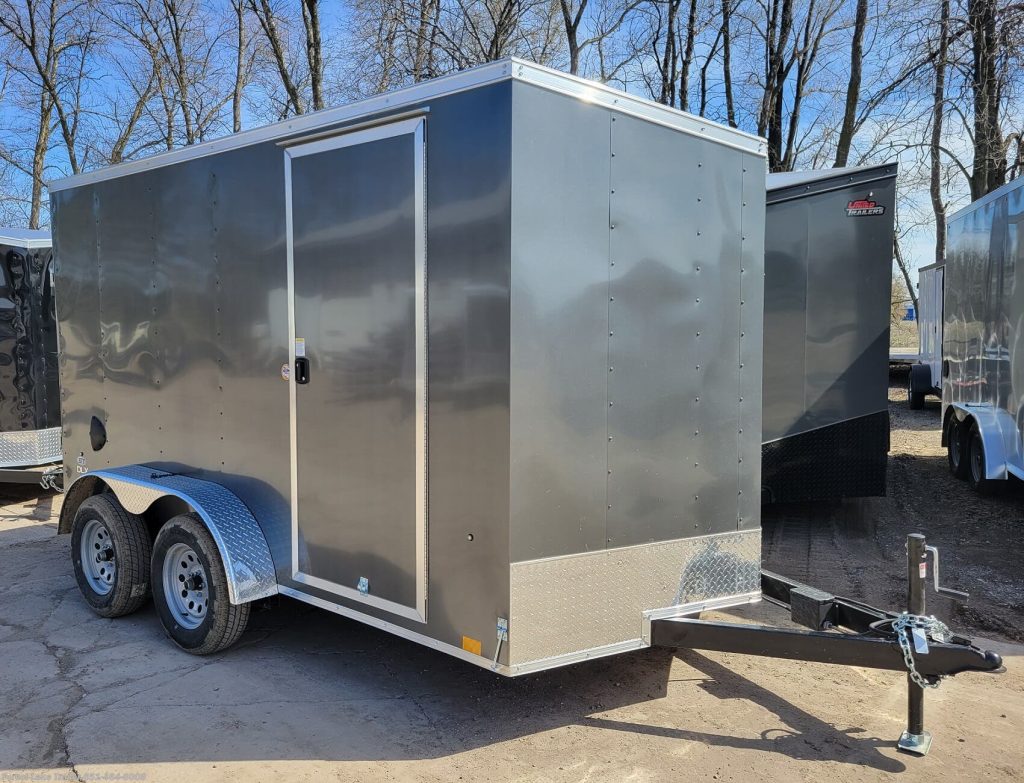
4. Examine the Axles, Tires and Brakes
When comparing trailers for sale, don’t focus only on the appearance of the trailer. Pay close attention to the components underneath it.
The axle configuration affects the trailer’s load capacity, stability, and overall performance. Single-axle trailers are commonly used for lighter applications, while tandem-axle trailers can provide greater capacity and stability for heavier loads.
Also inspect:
- Tire size and load rating
- Axle rating
- Suspension
- Wheel condition
- Brake configuration
- Electrical wiring
- Breakaway system
- Coupler
- Safety chains
For a used trailer, these components deserve particular attention because replacement and repair costs can add up quickly.
5. Consider the Trailer Construction and Materials
Trailer construction can influence durability, weight, maintenance, and long-term value.
Steel trailers are widely used because they offer strength and are available in many configurations. Aluminum trailers can provide a lighter-weight alternative and are popular for applications where reducing trailer weight is beneficial.
Your choice should depend on how you intend to use the trailer.
For example, an aluminum utility trailer can be an excellent option for general hauling when weight savings and corrosion resistance are important. A heavy-duty steel equipment trailer may make more sense for demanding commercial applications.
Look closely at the frame, deck, welds, rails, ramps, gates, hinges, and other structural components before purchasing.
6. Check Loading and Unloading Features
A trailer can have excellent specifications and still be inconvenient if it is difficult to load.
Look for features that match your equipment and cargo, including:
- Ramp gates
- Full-width ramps
- Rear doors
- Side doors
- Tie-down points
- D-rings
- Adjustable couplers
- Removable rails
- Mesh sides
- Toolboxes
- Interior lighting
For example, an equipment trailer with properly designed ramps can make loading machinery much easier. An enclosed cargo trailer with a rear ramp and side door can provide multiple loading options.
Some current trailer listings include features such as electric brakes, ramp gates, tie-downs, LED lighting, and different axle configurations.
Think about how you will actually use the trailer every week, not just how it looks when you first see it.
7. Compare Price, Value and Long-Term Ownership Costs
Price is important, but the cheapest trailer is not always the best deal.
When comparing trailers for sale, consider the total cost of ownership. This may include:
- Purchase price
- Delivery or shipping
- Registration
- Insurance
- Maintenance
- Tires
- Brake components
- Replacement parts
- Accessories
- Financing costs
A trailer with better construction and useful features may cost more initially but provide greater value over its working life.
For example, current listings on Crystal Trailers include utility, enclosed cargo, dump, aluminum, and equipment trailers in different sizes and configurations.
The goal should be to find the best combination of price, capacity, quality, features, and suitability for your needs.
Popular Types of Trailers for Sale
Utility Trailers for Sale
Utility trailers are among the most versatile options for homeowners, landscapers, contractors, farmers, and businesses.
Their open design makes loading and unloading convenient, particularly for bulky materials and equipment.
A utility trailer can be useful for transporting:
- Lawn equipment
- Landscaping materials
- ATVs
- Motorcycles
- Construction supplies
- Furniture
- Yard waste
- Building materials
For example, a current Carry-On 7 x 12 landscape utility trailer listed by Crystal Trailers features mesh sides, a wood deck, dual 3,500-pound axles, a ramp gate, and a 7,000-pound GVWR.
Browse utility and aluminum trailers
Enclosed Trailers for Sale
Enclosed trailers provide a roof and walls that can protect cargo from weather and provide additional security.
They are particularly useful for:
- Contractors
- Electricians
- Landscapers
- Event businesses
- Mobile businesses
- Motorcycle owners
- Equipment owners
A current Homesteader 7 x 16 enclosed cargo trailer listed on Crystal Trailers, for example, includes a rear ramp door, side door, electric brakes, tie-downs, plywood walls, and a 7,000-pound GVWR.
Dump Trailers for Sale
Dump trailers are designed for applications where materials need to be unloaded efficiently.
They can be useful for:
- Landscaping
- Construction
- Junk removal
- Property maintenance
- Farm work
- Demolition cleanup
Dump trailers use hydraulic lifting systems to raise the bed and assist with unloading. Capacity, axle configuration, bed size, hydraulic components, and gate design should all be considered before purchasing.
Crystal Trailers currently lists BWise dump trailer options in different configurations, including models with hydraulic lifts, spreader gates, and different GVWR ratings.
Equipment Trailers for Sale
Equipment trailers are designed to transport machinery and other heavy equipment.
They are commonly used by:
- Construction companies
- Contractors
- Landscapers
- Farmers
- Excavation businesses
- Equipment operators
When choosing an equipment trailer, pay close attention to GVWR, payload, deck dimensions, ramps, axle ratings, brakes, and tie-down points.
For heavy equipment, cargo must also be properly secured. Federal Motor Carrier Safety Administration guidance emphasizes the importance of securing cargo so that it cannot shift or fall during transportation.
New vs. Used Trailers: Which Is Better?
Both new and used trailers can be good choices.
Advantages of New Trailers
A new trailer typically gives you:
- New components
- Less initial wear
- Current specifications
- More configuration choices
- Potential manufacturer warranty
- The ability to choose specific features
Advantages of Used Trailers
Used trailers can provide:
- Lower purchase prices
- Potentially lower depreciation
- Access to discontinued models
- Immediate availability in some cases
However, inspect a used trailer carefully before purchasing.
Check the frame for cracks or significant corrosion. Inspect the deck, tires, axles, suspension, brakes, lights, coupler, wiring, ramps, doors, and safety equipment.
Never assume that a low asking price means you are getting a good deal.
How Much Do Trailers for Sale Cost?
Trailer prices vary considerably depending on the type, size, material, capacity, manufacturer, condition, and features.
For example, a small utility trailer can cost substantially less than a heavy-duty equipment or gooseneck trailer. An enclosed cargo trailer with additional height, brakes, interior upgrades, and specialized doors can also cost more than a basic enclosed model.
Current trailer listings demonstrate how significantly prices can vary between configurations.
Instead of choosing a trailer based only on its advertised price, compare the specifications and determine whether the trailer actually meets your requirements.
A slightly more expensive trailer may offer better capacity, stronger construction, better brakes, or useful features that save time over years of use.
Trailer Safety: What Buyers Should Know
Safety should always be part of the buying decision.
Before towing, verify that the trailer is properly connected to the tow vehicle and that the safety chains, electrical connection, brakes, tires, and lights are functioning correctly.
The National Highway Traffic Safety Administration provides trailer towing safety information, while FMCSA provides guidance concerning cargo securement.
Before every trip, inspect:
- Hitch and coupler
- Safety chains
- Tires
- Wheel lugs
- Lights
- Brake system
- Breakaway system
- Cargo tie-downs
- Trailer doors and gates
Cargo should be distributed appropriately and secured so that it cannot shift during transportation.
Never exceed the rated capacity of the trailer or the towing vehicle.
Visit the National Highway Traffic Safety Administration
Review FMCSA cargo securement guidance
Where to Find Quality Trailers for Sale
When searching for trailers for sale, work with a seller that provides clear specifications, accurate product information, and transparent purchasing and delivery information.
Crystal Trailers offers multiple trailer categories, including open car trailers, dump trailers, aluminum trailers, equipment trailers, and gooseneck trailers.
The website also features individual trailer listings with specifications such as GVWR, empty weight, load capacity, axle configuration, dimensions, doors, ramps, and other features.
Shop trailers for sale at Crystal Trailers
Before placing an order, confirm the trailer’s availability, specifications, final price, delivery arrangements, and any applicable fees.
Frequently Asked Questions About Trailers for Sale
What are the most popular trailers for sale?
Some of the most popular categories include utility trailers, enclosed cargo trailers, dump trailers, equipment trailers, car haulers, aluminum trailers, and gooseneck trailers. The best option depends on what you need to transport.
What size trailer should I buy?
Choose a trailer based on the dimensions and weight of the cargo you regularly transport. You should also consider your tow vehicle’s towing capacity and the trailer’s GVWR and payload rating.
Are enclosed trailers worth buying?
Enclosed trailers can be an excellent choice if you need protection from weather, additional security, or enclosed storage for tools and equipment.
Are utility trailers good for landscaping?
Yes. Utility and landscape trailers are commonly used for transporting lawn equipment, mowers, materials, debris, and other landscaping supplies. Look for appropriate deck dimensions, payload capacity, ramps, and side rails.
Should I buy a new or used trailer?
Both can be good options. A new trailer can provide newer components and more configuration choices, while a used trailer may offer a lower purchase price. Always inspect a used trailer carefully before buying.
What should I check before buying a trailer?
Check the trailer’s GVWR, payload capacity, axle rating, tires, brakes, frame, deck, coupler, safety chains, electrical system, lights, ramps, doors, and overall condition.
How do I choose the right trailer for my truck?
Start with your truck’s towing capacity and payload specifications. Then compare those ratings with the trailer’s GVWR, empty weight, and expected cargo weight. Your hitch and electrical setup must also be compatible.
Final Thoughts: Find the Right Trailer for Your Needs
Finding the right trailers for sale starts with understanding what you actually need to haul.
Don’t choose a trailer simply because it has the lowest price or the largest cargo area. Instead, compare the trailer type, size, GVWR, payload capacity, axle configuration, construction, brakes, loading features, and overall ownership costs.
Whether you need a utility trailer for landscaping, an enclosed cargo trailer for protecting equipment, a dump trailer for bulk materials, or an equipment trailer for heavy machinery, choosing the correct configuration can make your work easier and your investment more valuable.
Take the time to compare your options, verify the specifications, and make sure the trailer works with your tow vehicle before purchasing.
If you’re ready to explore trailers for sale, browse the available inventory and compare different trailer types, sizes, capacities, and features to find the option that fits your needs.