

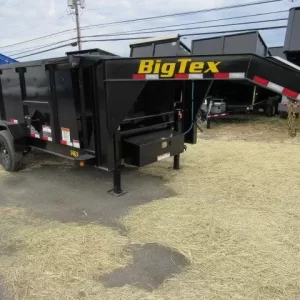
Finding the right heavy duty trailers for sale can make a major difference for construction companies, equipment operators, agricultural businesses, transport professionals, and commercial fleets. When your work involves transporting machinery, building materials, industrial equipment, or other substantial loads, selecting a trailer with the correct capacity and configuration is essential.
A heavy-duty trailer is more than a large platform on wheels. Its frame, axles, suspension, tires, brakes, hitch, and loading equipment must work together to support the intended cargo. Choosing the right model helps you plan transportation more efficiently and avoid purchasing equipment that does not match your hauling requirements.
At Crystal Trailers, buyers can explore multiple trailer categories, including equipment trailers, gooseneck trailers, dump trailers, and specialized transport configurations. Each category serves different applications, so the best choice depends on the type of cargo you carry, how frequently you transport it, and which vehicle you use for towing.
When comparing heavy duty trailers for sale, do not focus exclusively on deck length or advertised price. Gross vehicle weight rating (GVWR), actual payload capacity, axle ratings, ramp specifications, deck height, braking equipment, and delivery arrangements are equally important.
This guide explains nine essential buying considerations, compares different trailer types, examines factors that affect cost, and shows you how to evaluate heavy duty trailers for sale before making a purchasing decision.
Table of Contents
What Are Heavy Duty Trailers?
Heavy-duty trailers are designed for demanding hauling applications in which capacity, construction, loading arrangements, and component ratings must match substantial or specialized cargo.
Depending on the design, these trailers may be used to transport construction equipment, agricultural machinery, industrial components, bulk materials, commercial supplies, and other loads that require a purpose-built platform or body.
Buyers searching for heavy duty trailers for sale will encounter different configurations. Some are designed for hauling machinery onto a flat deck, while others have low loading heights, hydraulic dumping systems, or gooseneck connections.
The term heavy duty does not describe one universal capacity. A trailer’s actual capability depends on its manufacturer specifications, construction, weight ratings, and equipment configuration.
What Makes a Trailer Heavy Duty?
Several characteristics may distinguish a heavy-duty trailer from a lighter utility trailer.
Frame and deck construction: The frame and deck must be appropriate for the loads the manufacturer intends the trailer to carry.
Axles and suspension: The axle configuration, suspension, wheels, and tires must be rated for the trailer’s permitted load.
Braking equipment: Brakes and related components must be appropriate for the trailer and compatible with the towing vehicle.
Loading features: Equipment trailers may include ramps, beavertails, tilt decks, or other features designed to support specific loading methods.
Hitch configuration: A gooseneck, fifth-wheel, or other connection may be required, depending on the model.
When evaluating heavy duty trailers for sale, compare the specifications of the actual units rather than judging their capabilities by their appearance.
Why Businesses Invest in Heavy Duty Trailers
The right trailer can help a business move equipment and materials between job sites, warehouses, farms, and other destinations. Its value depends on whether the configuration suits the company’s daily workload.
1. Transport Equipment More Efficiently
Construction and industrial businesses may need to move machinery between projects or transport equipment to a service location. An equipment trailer with suitable deck dimensions and ramps can provide a practical solution.
Before buying, measure the machinery and confirm its operating weight, including attachments. Also consider how the equipment will be loaded and unloaded at both ends of the journey.
2. Support Agricultural Operations
Farms and agricultural contractors may need to transport implements, machinery, and compatible equipment across multiple properties.
The required trailer configuration depends on the equipment’s dimensions, total weight, and loading method. Ground conditions, access to farm roads, and the capabilities of the towing vehicle should also influence the decision.
3. Handle Industrial and Commercial Loads
Businesses transporting heavy components or specialized equipment may need trailers with specific deck layouts, tie-down arrangements, or loading heights.
For these operations, reviewing heavy duty trailers for sale involves more than finding the longest or strongest-looking trailer. The dimensions, rated capacity, and cargo-securement arrangement must match the specific job.
4. Choose a Purpose-Built Configuration
Different trailer types are designed for different tasks. A lowboy may be useful for suitable tall machinery, while a gooseneck equipment trailer may suit compatible equipment hauled by a properly equipped pickup truck.
Choosing a purpose-built configuration can be more practical than purchasing a general trailer and trying to adapt it to an unsuitable application.
5. Plan for Ongoing Ownership
Businesses should consider the full ownership picture, including maintenance, tire replacement, servicing, delivery, storage, and repair costs.
A trailer that meets today’s requirements but is difficult to maintain or incompatible with the available tow vehicle may create additional expenses later.
For a starting point, browse the Crystal Trailers inventory and compare the trailer categories available for different hauling needs.
Types of Heavy Duty Trailers for Sale
The most suitable option depends on your cargo, tow vehicle, work environment, and loading procedure. Understanding common configurations makes it easier to narrow the selection.
Gooseneck Equipment Trailers
Gooseneck equipment trailers connect to a compatible hitch installed in the bed of a pickup truck. They are used for a range of equipment-hauling applications, depending on the individual trailer’s ratings and design.
Common features can include open decks, ramps, beavertails, tie-down points, and toolboxes. The right configuration depends on the cargo and the truck’s permitted towing and payload capacities.
Crystal Trailers lists a Big Tex 8.5 x 25 Heavy Duty Gooseneck Equipment Trailer. Its product page describes features including mega ramps, electric brakes, dual axles, a wood deck, and an adjustable gooseneck system.
The listing specifies a GVWR of 25,900 pounds, an empty weight of 6,700 pounds, and a stated load capacity of 19,200 pounds. These figures are specific to that listing; verify the actual unit’s ratings and specifications before purchasing or loading it.
This model provides a useful example of how deck dimensions, loading features, and weight ratings should be evaluated together.
Gooseneck Deckover Trailers
A gooseneck deckover trailer places the deck above the wheel assemblies, providing an open platform across much of the trailer’s width.
This configuration may suit compatible machinery, equipment, and building materials that benefit from an unobstructed deck. The exact usable width, deck height, ramp configuration, and load capacity vary between models.
Crystal Trailers lists the Big Tex 8.5 x 25 Gooseneck Deckover Equipment Trailer. Its product description includes a deck measuring 102 inches wide by 20 feet long, plus a 5-foot beavertail, spring-assist mega ramps, and other features.
Buyers comparing heavy duty trailers for sale should verify that the usable deck dimensions and ramp setup accommodate the cargo they plan to transport.
Lowboy Trailers
Lowboy trailers use a lower deck arrangement designed to accommodate certain tall or heavy cargo configurations. Depending on the model, they may be considered for transporting compatible construction machinery and industrial equipment.
Because lowboy designs can be highly specialized, examine deck height, well length, axle arrangement, loading equipment, and the manufacturer’s capacity specifications.
One example on the Crystal Trailers website is the 2022 Fontaine 53ft Lowboy Trailer 60 Ton. The listing describes a 53-foot trailer with a 26-foot well, hydraulic detach, a quad-axle configuration, and a stated 60-ton capacity.
Such a product is intended for a different scale and towing arrangement from a conventional pickup-truck equipment trailer. Buyers should verify the complete specifications, documentation, legal requirements, and compatibility with the intended tractor and cargo.
Equipment Trailers With Ramps
Equipment trailers offer open loading platforms and may include slide-out ramps, full-width ramps, tilt decks, or beavertails.
Their suitability depends on the size of the equipment, its weight, and how it will be loaded. Ramp ratings and loading angles deserve particular attention when transporting machinery.
For another example, review the CAM Superline 8.5 x 22 Deckover Equipment Trailer with Slide-Out Ramps.
Heavy Duty Dump Trailers
Dump trailers use a dumping mechanism to unload compatible bulk materials. Depending on their design, they may be used for hauling landscaping materials, aggregate, construction debris, or other permitted loads.
Important specifications include the body dimensions, GVWR, payload, hydraulic system, gate arrangement, axle ratings, and tires.
Explore the Crystal Trailers dump trailer inventory to compare configurations. Confirm that the selected model is appropriate for your materials and intended operating conditions.
9 Things to Check Before Buying
Before choosing from the available heavy duty trailers for sale, use the following checklist to evaluate each option against your real requirements.
1. Identify the Heaviest and Largest Loads
Start with the cargo you expect to transport most frequently. Determine its actual weight and dimensions, including attachments, accessories, pallets, and any accompanying tools.
The weight of the main machine alone may not represent the total load. A complete calculation should include everything carried on the trailer.
Measure the largest items as well. A load may be light enough by weight but too long, wide, or tall for the trailer.
2. Check GVWR and Payload Capacity
GVWR means gross vehicle weight rating. It is the maximum rated total weight of the fully loaded trailer, including the trailer itself and its contents.
Payload capacity represents the permitted cargo weight under the applicable specifications. The trailer’s empty weight must be accounted for when calculating the available payload.
Always confirm the actual values on the manufacturer data plate and product documentation. Never assume that trailers with similar dimensions have identical ratings.
3. Verify Tow Vehicle Compatibility
The towing vehicle must be capable of handling the trailer and its intended load. Check the manufacturer’s towing capacity, payload rating, axle ratings, tire ratings, and hitch limits.
The weight carried by the hitch is also important because it contributes to the towing vehicle’s load. Passengers, fuel, tools, and other items in the truck must be considered.
A heavy-duty trailer cannot make an incompatible tow vehicle suitable. If the ratings are unclear, consult the vehicle manufacturer or a qualified towing professional.
4. Choose the Right Deck Dimensions
Deck length and width should accommodate the cargo, loading process, and securement arrangement.
A long piece of machinery may require additional deck length, while some equipment benefits from a wider platform. Pay attention to the usable dimensions rather than the overall trailer length alone.
The position of the axles, ramps, fenders, tie-down points, and other components can affect how cargo fits.
5. Examine Ramps and Loading Features
Ramps, beavertails, slide-out systems, and tilt decks each provide different loading arrangements.
If machinery will be driven onto the trailer, verify the ramp’s width, length, capacity, attachment system, and instructions. Consider the loading angle and ground clearance of the equipment.
Do not assume that a ramp is suitable for every machine simply because the machine fits on the deck.
6. Review Axles, Suspension, Tires, and Brakes
These components work together to support the permitted load and help the trailer operate as designed.
Check axle ratings, tire and wheel specifications, suspension type, brakes, lighting, and related equipment. For pre-owned trailers, review maintenance records and inspect for signs of unusual wear, corrosion, or damage.
If a component’s condition or rating is uncertain, seek a qualified inspection before purchase.
7. Check the Hitch and Coupler
Confirm that the trailer’s coupling system matches the towing vehicle and that the relevant components are rated for the intended application.
Gooseneck trailers, fifth-wheel trailers, and other heavy-duty configurations use different connection systems. Check the installation requirements and clearances for the actual tow vehicle.
If the trailer requires a specialized tractor or hitch arrangement, confirm that setup before finalizing the purchase.
8. Plan Cargo Securement
Tie-down points, chains, straps, binders, and other securement equipment need to suit the cargo and the trailer.
Check the rating and placement of attachment points. Plan how to restrain the cargo against movement during acceleration, braking, turning, and travel over uneven surfaces.
For covered commercial operations, consult the Federal Motor Carrier Safety Administration’s cargo securement rules and any applicable state or local requirements.
9. Calculate the Total Delivered Cost
The purchase price is only one part of the overall investment. Delivery, applicable taxes, optional accessories, registration, inspection, maintenance, and other expenses may affect the full cost.
Request a written quote and clarify what it includes. The Crystal Trailers website explains that delivery costs can depend on the unit and destination, so confirm the final logistics cost for your specific order before proceeding.
When comparing heavy duty trailers for sale, use the same list of requirements for each trailer. This makes the differences in specifications, price, and delivery clearer.
Choosing the Right Trailer Size and Capacity
The correct size depends on the dimensions and weight of the cargo, how frequently it will be transported, and what vehicles are available to tow it.
A larger trailer may provide more deck space, but it can also require a more capable tow vehicle, additional storage room, and greater maneuvering clearance.
| Common hauling need | Features to compare |
|---|---|
| Compact equipment | Usable deck dimensions, ramps, payload |
| Construction machinery | GVWR, payload, ramp rating, axle configuration |
| Tall equipment | Deck height, loading arrangement, clearance |
| Bulk materials | Dump body, gate configuration, hydraulic system |
| Specialized industrial cargo | Well length, axle ratings, cargo securement |
| Frequent commercial hauling | Maintenance access, component ratings, service requirements |
These are general selection guidelines. Always check the manufacturer’s ratings and the actual loaded weight before purchasing.
Consider Future Workloads
If your business expects to handle larger machinery or more frequent transport, think about how the trailer may fit future requirements.
However, do not buy an oversized trailer simply because it offers a higher advertised rating. It must still be compatible with the towing vehicle, intended cargo, storage location, and applicable operating requirements.
The most suitable choice among heavy duty trailers for sale is the one that meets your current and reasonably anticipated needs without compromising compatibility or affordability.
What Affects Heavy Duty Trailer Prices?
Prices for heavy duty trailers for sale vary depending on the trailer type, size, rating, manufacturer, condition, components, and destination.
Trailer Type and Capacity
Equipment trailers, gooseneck trailers, dump trailers, and lowboys serve different purposes. Their structures and components are designed around different uses, so their prices are not directly comparable.
Even within one category, the length, axle arrangement, suspension, deck design, and capacity can affect price.
Construction and Components
Frame design, deck materials, axles, suspension, braking systems, and tires all contribute to the specification of a trailer.
Additional features may include toolboxes, specialized ramps, tie-down systems, hydraulic components, and lighting arrangements. Compare these items with your actual requirements rather than paying for features you do not need.
New vs. Used Condition
New trailers and pre-owned trailers differ in price and condition. A used trailer may offer an alternative for some buyers, but its actual condition and documentation are especially important.
Review the frame, deck, tires, brakes, coupling equipment, lights, and maintenance history. Clarify any warranty or return terms and confirm the trailer’s ratings.
Delivery and Logistics
Delivery costs depend on the trailer’s size, destination, routing, and logistics requirements. Large or specialized equipment may require different transport arrangements from a small equipment trailer.
Ask the seller to confirm the delivery method, estimated timing, and full transportation cost before placing the order.
Ownership and Maintenance
The total cost of ownership can include routine service, tires, brakes, bearings, repairs, registration, and secure storage.
A trailer that is suitable for your workload and can be maintained properly may offer better overall value than one selected solely because it has the lowest initial price.
Explore Heavy Duty Trailers at Crystal Trailers
Crystal Trailers lists different trailer categories for buyers with commercial, industrial, agricultural, and equipment-hauling needs.
Start with the equipment trailer inventory or browse the gooseneck trailer inventory to compare available models.
Some relevant examples include:
Big Tex 8.5 x 25 Heavy Duty Gooseneck Equipment Trailer
The Big Tex 8.5 x 25 Heavy Duty Gooseneck Equipment Trailer is listed with mega ramps, electric brakes, dual axles, a wood deck, and a gooseneck coupling system.
The listing states a GVWR of 25,900 pounds and a load capacity of 19,200 pounds. Check the current product page and actual unit specifications before relying on those figures for a particular load.
Big Tex 8.5 x 25 Gooseneck Deckover Equipment Trailer
The Big Tex 8.5 x 25 Gooseneck Deckover Equipment Trailer is another example of a trailer designed for equipment-hauling applications.
Its listing includes mega ramps, a wood deck, a beavertail, a gooseneck coupler, and other features. Compare its deck layout and ratings against your equipment dimensions.
Big Tex 8.5 x 30 Gooseneck Deckover Equipment Trailer
For buyers comparing a longer equipment deck, the Big Tex 8.5 x 30 Gooseneck Deckover Equipment Trailer provides another configuration to review.
Its listed features include a long deck arrangement, mega ramps, a gooseneck coupler, heavy-duty suspension, and other components. Confirm the complete specifications and compatibility with your towing combination before purchase. heavy duty trailers for sale
2022 Fontaine 53ft Lowboy Trailer 60 Ton
For specialized heavy-equipment transportation, the 2022 Fontaine 53ft Lowboy Trailer 60 Ton is a different class of trailer from conventional pickup-towed equipment models. heavy duty trailers for sale
The listing describes a 53-foot lowboy with a 26-foot well, hydraulic detach, quad axles, and a stated 60-ton capacity. Buyers should review the full details, title and documentation information, and requirements for the intended tractor and load. heavy duty trailers for sale
These examples illustrate how different heavy duty trailers for sale can be in size and application. Current availability, prices, and specifications can change, so review the live listings and confirm all details with Crystal Trailers before ordering. heavy duty trailers for sale
Towing, Loading, and Maintenance Considerations
Purchasing from the available heavy duty trailers for sale is only the beginning. Correct towing setup, cargo loading, and maintenance are necessary parts of responsible trailer ownership. heavy duty trailers for sale
Confirm the Entire Towing Combination
Check that the vehicle, hitch, trailer, and cargo are compatible and remain within their applicable weight ratings.
Use the manufacturer’s documentation rather than estimating capacity from appearance. If the combination includes specialized fifth-wheel, gooseneck, or commercial tractor equipment, verify the setup requirements before use. heavy duty trailers for sale
Load and Secure Cargo Correctly
Follow the trailer manufacturer’s loading instructions. Account for cargo weight, distribution, securement points, and the way the load may behave during travel.
Use tie-down equipment suitable for the specific cargo and attachment points. Do not exceed weight ratings or rely on an arrangement that allows the load to shift. heavy duty trailers for sale
Inspect Before Travel
Check the tires, lights, brakes, hitch, safety equipment, ramps, deck, and visible structural components.
Look for damage, unusual tire wear, corrosion, loose parts, or other defects. Repair problems before the trailer is used. heavy duty trailers for sale
Follow Manufacturer Maintenance Guidance
Use the manufacturer’s recommended maintenance schedule for tires, wheel bearings, brakes, suspension, hydraulic systems, and other fitted equipment. heavy duty trailers for sale
Keep inspection and service records, particularly if the trailer is used frequently in a commercial operation.
For information about Crystal Trailers’ business and available services, visit the About Us page or contact the team.
Frequently Asked Questions
What are heavy duty trailers used for?
Heavy-duty trailers are used for compatible equipment, construction machinery, industrial components, commercial materials, and other substantial loads. The appropriate configuration depends on cargo dimensions, weight ratings, loading requirements, and the towing vehicle. heavy duty trailers for sale
What is the difference between a gooseneck trailer and a lowboy?
A gooseneck describes a trailer connection configuration commonly used with compatible pickup trucks or specialized vehicles. A lowboy describes a lower-deck trailer layout used for certain tall or heavy cargo. Some trailers have specialized combinations of features, but these terms describe different aspects of the design.
How do I choose the right heavy-duty trailer capacity?
Determine the total weight and dimensions of the load, including attachments and accompanying materials. Check the trailer’s GVWR, payload capacity, axle and tire ratings, and hitch limits. Also ensure that the tow vehicle can handle the loaded combination within all applicable ratings. heavy duty trailers for sale
Are heavy-duty gooseneck trailers suitable for every pickup truck?
No. The truck must have a compatible hitch and sufficient capacity for the loaded trailer. Check the manufacturer’s towing capacity, payload, axle ratings, and hitch specifications before purchasing. heavy duty trailers for sale
What should I inspect on a used heavy-duty trailer?
Inspect the frame, deck, suspension, axles, tires, brakes, lights, hitch, hydraulic components, and loading features. Review maintenance history and documentation, and have the trailer evaluated by a qualified professional if structural damage or uncertain component condition is suspected. heavy duty trailers for sale
How much do heavy duty trailers for sale cost?
Prices vary with trailer type, dimensions, load rating, manufacturer, condition, components, and delivery requirements. Request a full written quote for the particular model and destination instead of relying on a general price estimate. heavy duty trailers for sale
Does Crystal Trailers offer equipment and lowboy trailers?
The Crystal Trailers website lists equipment trailer and gooseneck categories, including heavy-duty equipment models and a lowboy listing. Review individual product specifications and confirm current availability directly with the company. heavy duty trailers for sale
Does the advertised trailer price include delivery?
Delivery and transportation charges depend on the specific order and destination. Confirm whether the listed price includes delivery and obtain approval of the final logistics cost before dispatch. heavy duty trailers for sale
Where can I find heavy duty trailers for sale?
Start with the Crystal Trailers equipment trailer inventory and gooseneck trailer inventory. You can compare individual listings and contact the dealership to confirm the model’s specifications and delivery arrangements.
Find the Right Heavy Duty Trailer at Crystal Trailers
Choosing among the available heavy duty trailers for sale requires careful consideration of the cargo, required capacity, trailer configuration, and towing vehicle. heavy duty trailers for sale
A suitable trailer can support construction, agricultural, industrial, and commercial transport when its dimensions and ratings match the work. Gooseneck equipment trailers, deckovers, dump trailers, and lowboys each offer different advantages, so the intended application should guide the decision. heavy duty trailers for sale
Before purchasing, verify the payload and GVWR, check the axles and tires, review the loading system, and confirm the trailer’s connection with the tow vehicle. Ask for a complete quotation that covers the unit and applicable delivery arrangements. heavy duty trailers for sale
If the trailer will carry specialized or unusually heavy equipment, confirm the legal and technical requirements for the entire transport combination before ordering. heavy duty trailers for sale
Ready to compare your options? Visit Crystal Trailers to explore available models, browse the equipment trailer inventory, or review the gooseneck trailer inventory. You can also contact Crystal Trailers to discuss the requirements for your intended load and confirm current availability. heavy duty trailers for sale