

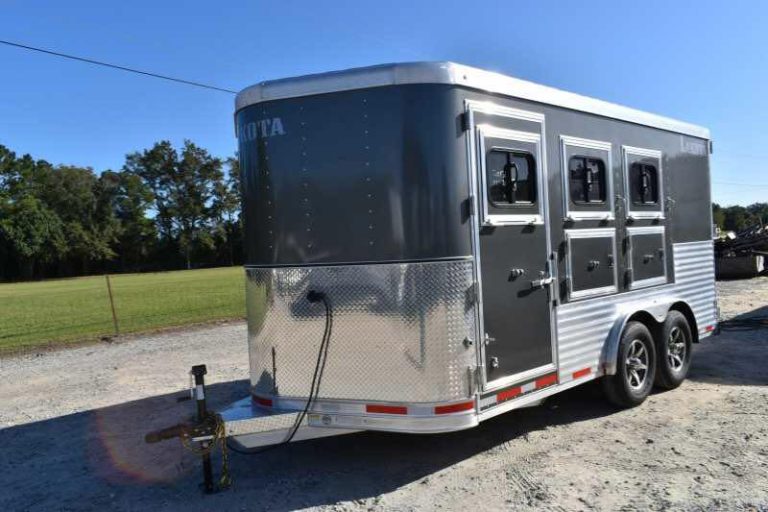
Finding the right trailer is an important decision for farmers, ranchers, horse owners, and anyone who regularly transports animals. When you search for livestock trailers for sale near me, you want more than a trailer that looks good. You need a dependable setup with suitable space, secure gates, appropriate ventilation, a strong floor, and a towing configuration that matches your vehicle and hauling requirements.
At Crystal Trailers, buyers can explore a range of trailer categories and review relevant horse and stock-combo listings. The right choice depends on the type of animals you transport, the number of animals, travel distances, and the conditions in which the trailer will be used.
This guide explains how to compare livestock trailers for sale near me, which features deserve the most attention, and how to research available options before committing to a purchase. It also explains why confirming the exact configuration and current availability is essential.
Table of Contents
1. How to Choose the Right Livestock Trailer
When comparing livestock trailers for sale near me, start with the job the trailer needs to perform. A trailer used occasionally to transport a few animals may require a different configuration from one used regularly for farm operations or longer commercial journeys.
Before browsing listings, identify the type of livestock you plan to transport. Cattle, sheep, goats, pigs, and horses have different handling needs. A horse trailer or horse-and-stock combination may be suitable for some applications, but it should not automatically be treated as the right option for every type of livestock.
Next, consider how frequently you will use the trailer. Occasional trips may place different demands on equipment than repeated journeys across rural roads or between farms. The number of animals, their size, the route, and expected journey length all influence the features worth prioritizing.
Think about these questions before shopping:
- Which animal species will you transport?
- How many animals will travel at the same time?
- What is the approximate combined weight of the animals?
- How far will you normally travel?
- Will you use the trailer on paved roads, gravel roads, or uneven farm access routes?
- What towing vehicle and hitch setup do you have?
- Do you need partitions, separate compartments, or particular loading arrangements?
Answering these questions helps narrow down livestock trailers for sale near me to options that meet your real operating needs rather than simply matching a preferred price or appearance.
2. Explore Relevant Listings at Crystal Trailers
Crystal Trailers is based in Woodland, Washington, and its website provides an online inventory with several trailer categories. Because product availability and classifications can change, review the current inventory and contact the team to verify the configuration you need.
Start with the Crystal Trailers inventory to browse available listings.
One listing worth reviewing is the 2020 Bloomer 4 Horse Stock Combo Horse Trailer. The product page describes a stock-combo and horse-trailer configuration with features including a full rear gate, dividers, rubber-lined kick walls, rubber floor mats, and a tack area. These details make it a useful listing to investigate for suitable horse or stock-related applications. Confirm with the seller whether the specific unit meets your intended livestock requirements.
Another listing is the 2018 Lakota 83HBPSL 3 Horse Trailer. The page lists an all-aluminum construction, a three-horse area, an escape door, mangers, 5,200-pound axles, an approximately 16-foot box length, and a listed gross vehicle weight rating of 11,160 pounds. This is a horse trailer, so buyers transporting other livestock should confirm suitability rather than assume that all horse trailers are appropriate for cattle or other animals.
If your search for livestock trailers for sale near me is focused specifically on cattle or other stock animals, contact Crystal Trailers to confirm whether a dedicated livestock trailer is available or can be sourced. Do not assume a listing is designed for a particular species just because its name includes “stock” or “livestock.”
You can also browse related categories, such as gooseneck trailers and equipment trailers, if you are comparing towing configurations or evaluating other hauling needs. These categories are not substitutes for a properly enclosed livestock trailer, so verify that any product you consider is designed for animal transportation.
3. Understand the Different Trailer Types
Not every trailer is intended for the same kind of load. As you compare livestock trailers for sale near me, learn the differences between the common configurations before deciding which one to investigate further.
Dedicated livestock trailers
These trailers are designed specifically to transport animals. Depending on the model, they may have slatted sides, animal-friendly interiors, dividers, rear gates, and features intended to support ventilation and handling. The exact design varies, so inspect each specification rather than relying on the category name alone.
Horse trailers
Horse trailers are built around the needs of horses. They may include stalls or partitions, escape doors, mangers, padded or rubber-lined areas, and additional equipment storage. Some horse-and-stock combination models may serve more than one type of use, but buyers must confirm that the manufacturer’s intended application matches their animals.
Stock-combination trailers
A stock-combination trailer may combine animal-hauling features with additional space or equipment for a particular equine or ranching operation. The terminology and configuration vary by manufacturer. Check the number and arrangement of dividers, gate type, interior dimensions, and the animals the trailer is approved to carry.
Enclosed cargo and general-purpose trailers
Enclosed cargo trailers are commonly designed to transport tools, equipment, merchandise, and other goods. They should not be assumed suitable for live animals. An enclosed trailer without the appropriate ventilation, flooring, access, internal arrangements, and animal-safety provisions may create serious welfare and transport problems.
If the right livestock trailers for sale near me are difficult to locate in the first set of results, search by the exact trailer type you need. Then contact the seller to confirm its design, intended use, condition, and availability.
4. Choose the Right Size and Capacity
Size is one of the most important purchasing considerations. A trailer must provide enough usable space for the animals it is intended to carry, while remaining within its legal and mechanical load limits.
Do not choose a trailer based only on its exterior length or the number of animals mentioned in a product title. Ask for the actual interior dimensions, usable floor space, divider arrangement, doorway dimensions, and rated capacity. A title such as “four-horse trailer” does not automatically establish that the same unit is appropriate for transporting a specific number or type of cattle or other livestock.
When evaluating livestock trailers for sale near me, consider the animals’ body size, normal movement, posture, and ability to remain secure during transport. Space should be sufficient for the intended species and journey, while avoiding an arrangement that allows animals to move dangerously or become trapped.
Also calculate the combined weight of the animals, equipment, water, feed, and any additional cargo. Compare that figure against the trailer’s rated payload and gross vehicle weight rating. The usable payload is not necessarily the same as the trailer’s gross rating because the trailer itself has weight.
A smaller trailer may be easier to store and maneuver, while a larger one may accommodate more animals or provide separate compartments. The best size is the one that suits the animals, operation, tow vehicle, and applicable rules—not simply the largest option available.
5. Compare Trailer Materials and Construction
Trailer construction influences maintenance, durability, weight, and long-term ownership costs. Steel and aluminum are common materials, but the material alone does not determine whether a trailer is suitable for your needs.
Steel construction
A well-built steel trailer can provide a strong structure for demanding applications. Buyers should examine the frame, welds, fasteners, and areas where water or debris may collect. Corrosion deserves particular attention, especially when the trailer is regularly exposed to moisture, manure, cleaning products, or road salt.
Aluminum construction
Aluminum trailers can offer lower weight than comparable steel models, depending on their design. This may help with towing, but construction quality, rated capacity, floor condition, and component specifications still matter. Aluminum does not remove the need for regular cleaning and inspection.
Frame and structural condition
Look closely at the frame, suspension mounting points, axles, coupler or hitch, tires, and any signs of impact damage. On a used unit, investigate signs of unauthorized repairs, cracks, unusual bends, or corrosion that may compromise safety.
People researching livestock trailers for sale near me should consider the full structure rather than comparing paint, exterior appearance, or brand alone. Ask whether inspection records or maintenance history are available and arrange a qualified inspection if you are unsure about the condition.
6. Inspect Gates, Doors, and Loading Access
Loading and unloading are routine parts of livestock transport. The layout should make the process manageable and secure for both the animals and the handler.
Examine the rear gate, side gates, latches, hinges, dividers, and any loading ramp. Every moving part should operate as intended and stay secured during transit. A gate that swings unexpectedly, a latch that will not hold, or a damaged divider can make routine handling hazardous.
Consider whether the loading arrangement matches the animals and the location where loading will happen. A trailer that works well at one farm might be inconvenient at another if the approach is steep, narrow, muddy, or poorly lit.
For livestock trailers for sale near me, ask the seller to demonstrate all gates and access points. Inspect their edges for sharp protrusions, damaged metal, exposed fasteners, or gaps where an animal could become caught.
Also consider how the trailer can be cleaned after use. The design should allow appropriate removal of bedding, manure, and debris without damaging components. A practical setup is one that supports secure handling, straightforward cleaning, and access for routine inspections.
7. Check Flooring and Ventilation
Flooring and ventilation deserve special attention because they directly affect animal transport conditions.
Flooring
Inspect the floor for soft spots, cracks, corrosion, loose boards, separated seams, or other signs of deterioration. The floor must remain structurally sound under the intended load. Its surface should also be suitable for the animals being carried and should not create unnecessary slipping risks.
If the trailer uses rubber mats, examine their fit and condition. Mats may help protect the surface and improve the interior setup, but they do not compensate for a damaged floor beneath them. Ask how the floor should be cleaned, dried, and maintained.
Ventilation
Adequate ventilation is essential when transporting live animals. Check how air enters and exits the trailer and whether the ventilation design is appropriate for the intended species, weather, and journey. An enclosed space that traps heat or restricts airflow should not be used for live-animal transport.
When reviewing livestock trailers for sale near me, assess airflow openings, their condition, and whether gates or partitions could obstruct them. The trailer should allow suitable ventilation while protecting animals from avoidable exposure or injury.
Consider the expected climate and trip duration. Never treat ventilation as a feature that can be ignored because the trailer will be used for only a short trip. Follow the applicable animal-welfare guidance and transport rules for the species you intend to carry.
8. Confirm Towing Compatibility
The right trailer must be compatible with the towing vehicle. Even a well-maintained trailer is not a safe choice if its weight, hitch, or braking requirements exceed what your vehicle and equipment can handle.
Check the tow vehicle’s manufacturer-rated towing capacity, payload limit, axle ratings, and any applicable combined-weight limit. Confirm the trailer’s gross vehicle weight rating, empty weight, payload capacity, axle specifications, brake requirements, and hitch type.
A bumper-pull and a gooseneck configuration are not interchangeable. A gooseneck trailer requires a compatible hitch setup in the tow vehicle, while other trailer designs use different couplers and towing arrangements. Installation and compatibility should be verified by a qualified professional when needed.
As you compare livestock trailers for sale near me, do not rely only on an advertisement saying a trailer is heavy-duty. Match its actual specifications to your vehicle, the loaded trailer weight, the animals, and the route.
Check tire load ratings, wheel condition, lights, safety chains or other required connections, brakes, and breakaway equipment where applicable. Before the first trip, have the entire combination inspected and confirm that the driver has the training and authorization required for the intended use.
9. Decide Between New and Used Trailers
New and used trailers each have advantages, and the best option depends on your budget, availability, intended use, and tolerance for maintenance work.
A new trailer may offer a more predictable condition and access to manufacturer documentation or warranty coverage, subject to the actual terms. Buyers should confirm what is included, whether any options are additional, and how warranty claims are handled.
A used trailer may cost less upfront and provide access to a configuration that is otherwise difficult to find. However, condition can vary considerably. Inspect the floor, frame, axles, wheels, tires, braking components, gates, dividers, lights, and hitch. Ask for service records, ownership information, accident history where available, and details of any repairs.
A low purchase price is not necessarily the lowest total cost. Immediate repairs, replacement tires, missing components, and transportation costs may change the overall value.
When comparing livestock trailers for sale near me, ask the seller to identify the trailer’s age, condition, included equipment, known defects, warranty status, and return or sale terms in writing. Verify the title and identification details as required for your jurisdiction before completing a purchase.
10. Use a Livestock Trailer Inspection Checklist
A checklist helps you compare different listings consistently. Use the following points before you make a decision about livestock trailers for sale near me.
Structure and exterior: Review the frame, welds, panels, roof, exterior corrosion, and evidence of damage or poor repairs.
Floor and interior: Check the floor structure, mats or coverings, interior surfaces, protrusions, and ease of cleaning.
Access and containment: Test gates, doors, latches, dividers, ramps, and any other equipment used during loading and unloading.
Ventilation: Confirm that airflow is suitable for the animals and expected journey conditions.
Running gear: Examine the tires, wheels, axles, suspension, brakes, lights, hitch, coupler, and applicable safety equipment.
Capacity and dimensions: Obtain the actual dimensions and ratings, then compare them with the animals, equipment, and tow vehicle.
Paperwork: Confirm the vehicle identification information, ownership documents, maintenance history where available, and applicable inspection requirements.
Seller and purchase terms: Verify what is included, warranty coverage if any, delivery arrangements, total cost, and the process for resolving discrepancies.
Where possible, inspect the trailer in person before purchase. If that is not practical, request recent photos or video of key components and obtain clear written answers to any questions. For a used trailer, an independent inspection can help identify issues that are not obvious from exterior photos.
11. Understand Location, Delivery, and Total Cost
The phrase livestock trailers for sale near me often signals a desire to find an option that is easy to inspect, purchase, and collect. However, online search results do not always mean a trailer is physically located close to the person searching.
Crystal Trailers is based in Woodland, Washington, and its website promotes nationwide delivery. That means buyers should check the actual location of a particular unit and ask whether delivery is available to their address. Confirm the delivery method, cost, estimated timeline, and any requirements for receiving the trailer before placing an order.
Start by reviewing the Crystal Trailers About Us page and the online inventory. The inventory may change, so a product shown online should not be assumed to be available until the seller confirms it.
For a current quote or to ask about livestock-specific options, use the Crystal Trailers contact page. Provide your location, intended livestock use, preferred size, and towing arrangement so the team can assess the request more efficiently.
Total cost may include the trailer purchase, delivery, taxes, registration, required hitch equipment, inspections, and any repairs or modifications. Ask for a written breakdown rather than relying on a general price estimate. Delivery terms can differ by unit and destination, so confirm all charges before approving the purchase.
12. Frequently Asked Questions
Where can I find livestock trailers for sale near me?
Begin with a search for suitable livestock trailer dealers in your area, then check the seller’s current inventory and actual unit location. You can also browse the Crystal Trailers inventory and ask the team whether a dedicated livestock trailer or a suitable stock-combination model is available for your requirements. Crystal Trailers is based in Woodland, Washington, so confirm delivery details if you are outside the area.
Does Crystal Trailers list livestock trailers?
The current website inventory includes horse trailers and a 2020 Bloomer 4 Horse Stock Combo Horse Trailer. A stock-combo listing may be relevant to some animal-hauling needs, but buyers should contact Crystal Trailers to confirm whether the unit is suitable for their particular livestock and whether a dedicated livestock model is available. livestock trailers for sale near me
Can I use a horse trailer to transport cattle?
Not automatically. Horse trailers and cattle trailers can have different layouts, containment features, ventilation, and handling provisions. Check the manufacturer’s intended use, trailer construction, and applicable requirements. Ask a qualified seller or transport professional to confirm suitability for the species and number of animals.
Is a gooseneck livestock trailer better than a bumper-pull trailer?
Neither is universally better. The appropriate configuration depends on the trailer’s design and weight, tow vehicle, hitch compatibility, intended load, and the driver’s experience. Confirm the ratings and setup rather than choosing a hitch type based on appearance or assumptions. livestock trailers for sale near me
What should I inspect before buying a used livestock trailer?
Inspect the floor, frame, tires, axles, suspension, brakes, lights, hitch, gates, dividers, and ventilation. Review ownership documentation and maintenance history when available. An independent inspection can be particularly useful if you cannot confidently assess the trailer’s structure and running gear.
How do I choose the right capacity?
Start with the number, size, and species of animals you intend to carry. Check interior dimensions, divider layout, rated payload, gross vehicle weight rating, axle capacities, and the towing limits of your vehicle. Do not assume that a product title alone establishes a safe animal capacity. livestock trailers for sale near me
Can a livestock trailer be delivered to another state?
Delivery availability depends on the seller, unit, destination, and transportation arrangements. Crystal Trailers advertises nationwide delivery, but buyers should confirm the specific unit’s location, delivery method, estimated timeframe, and full cost before making a purchase. livestock trailers for sale near me
What should I ask the seller before ordering?
Ask for the current availability, trailer dimensions, ratings, intended use, condition, included features, warranty terms, ownership paperwork, delivery cost, and total purchase amount. Get important specifications and agreed terms in writing before you complete the order. livestock trailers for sale near me
Find a Trailer That Matches Your Livestock Transport Needs
Choosing a trailer should begin with the animals and the work you need to do—not simply the first listing you find. Consider the trailer’s intended use, size, construction, floor condition, ventilation, access, capacity, and compatibility with your tow vehicle. livestock trailers for sale near me
As you continue comparing livestock trailers for sale near me, review current listings carefully and confirm exactly what each unit is designed to carry. A horse trailer or stock-combination trailer may suit some operations, but the right choice should always be based on the animal type, handling needs, specifications, and applicable transport rules. livestock trailers for sale near me
Visit Crystal Trailers to explore the current inventory. For livestock-specific requirements, use the contact page to ask about suitable options, availability, and delivery arrangements before placing an order. livestock trailers for sale near me